Visiovita Germany: A Complete Guide
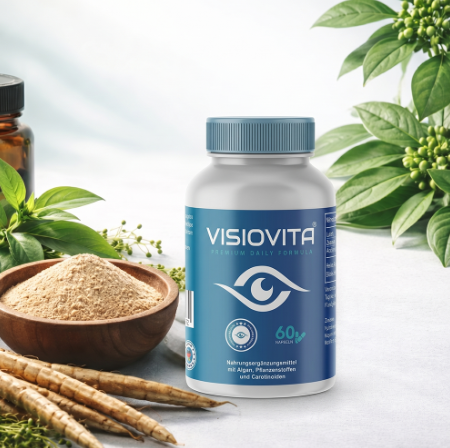
Visiovita Germany (2026) Review & Guide: Is It Right for You?
If you are searching for Visiovita Germany, you may be interested in learning more about this eye-health supplement, its ingredients, potential benefits, customer experiences, and where it can be purchased. With so many vision supplements available online, it is important to understand what a product contains and what you can realistically expect before making a purchase.
→ Click Here to Buy Now Visiovita Germany
Visiovita is marketed as a dietary supplement designed to support eye health and visual comfort. Online information about the product describes formulations containing ingredients such as lutein, zeaxanthin, astaxanthin, vitamins, minerals, and selected botanical extracts. However, consumers in Germany should carefully check the exact product label because formulations and sellers can differ.
What Is Visiovita Germany?
Visiovita Germany generally refers to the availability of Visiovita eye-health supplements for consumers in Germany. One German-language product page describes Visiovita capsules as a dietary supplement containing carotenoids and plant-based ingredients, including lutein, zeaxanthin, astaxanthin, spirulina, chlorella, moringa, Tagetes extract, and reishi. The page states that the suggested serving is two capsules per day.
A German marketplace listing also describes Visiovita eye capsules containing lutein, zeaxanthin, and astaxanthin, along with several botanical ingredients. That listing showed a 60-capsule package and a price of €49.90 at the time it was indexed. Prices, availability, sellers, and delivery conditions can change, so shoppers should verify the current information before ordering.
It is worth noting that online sources use the Visiovita name for different formulations. For example, another Visiovita website lists ingredients including taurine, alpha-lipoic acid, vitamins A and C, bilberry, quercetin, lycopene, lutein, zeaxanthin, ginkgo, rutin, and saffron.
For that reason, the product label and seller information should be checked carefully before purchasing Visiovita Germany.
How Does Visiovita Work?
Visiovita is presented as a nutritional supplement rather than a prescription medicine or replacement for professional eye care. Its proposed purpose is to provide nutrients and plant compounds associated with normal eye function and antioxidant protection.
Some of the most recognizable ingredients in eye-health supplements are lutein and zeaxanthin. These carotenoids naturally occur in the retina, particularly in the macular region. They are therefore frequently included in nutritional formulas aimed at supporting normal visual health.
Astaxanthin is another carotenoid used in some Visiovita formulations. It is known for its antioxidant properties and is commonly found in nutritional supplements.
However, an important distinction should be made: the presence of an ingredient with research behind it does not automatically prove that a particular supplement will improve eyesight or treat an eye disease. Individual results can vary, and supplements should not be presented as substitutes for diagnosis or treatment by an ophthalmologist.
Visiovita Ingredients
The exact ingredients depend on the Visiovita product being sold. The German-language information currently available highlights several notable compounds.
Lutein
Lutein is a carotenoid naturally found in the eye. It is one of the most commonly discussed nutrients in the field of nutritional eye health and is frequently included in supplements intended to support macular health.
Zeaxanthin
Zeaxanthin is another carotenoid found in the retina. It is often combined with lutein because both are naturally present in the macular pigment.
Astaxanthin
Astaxanthin is a naturally occurring carotenoid with antioxidant properties. Some Visiovita product descriptions include it as part of their eye-health formula.
Plant Extracts
Depending on the formulation, Visiovita may also contain ingredients such as bilberry, ginkgo, saffron, spirulina, chlorella, moringa, or reishi. Because the formulas advertised online are not identical, consumers should rely on the packaging of the specific product they intend to purchase.
Potential Benefits of Visiovita
Visiovita is marketed primarily for nutritional support of eye health. Potential benefits claimed by sellers include supporting visual comfort, antioxidant protection, and maintaining normal eye function.
People who spend many hours looking at computers, smartphones, tablets, or other digital displays may also be interested in nutritional approaches to eye care. Nevertheless, screen-related eye discomfort can have many causes, including prolonged near focusing, reduced blinking, dry air, and inadequate breaks.
Simple habits can therefore be just as important as supplementation. The commonly recommended 20-20-20 approach—looking approximately 20 feet away for 20 seconds every 20 minutes of screen work—can help people build regular visual breaks into their routine.
Visiovita Germany Reviews: What Should You Look For?
When searching for Visiovita Germany reviews, it is easy to find testimonials on sales pages. Such testimonials can provide information about individual experiences, but they should not be treated as scientific evidence that a supplement works for everyone.
A better approach is to evaluate several factors:
The complete ingredient list
Dosage of each active ingredient
Manufacturer and seller information
Country of manufacture
German labeling and consumer information
Shipping and return conditions
Customer-service details
Whether the seller makes exaggerated medical claims
Whether the product is appropriate for your individual circumstances
Consumers should be particularly cautious about statements suggesting that a dietary supplement can cure glaucoma, cataracts, macular degeneration, or permanently restore lost eyesight. Those are medical conditions requiring appropriate professional evaluation.
Where Can You Buy Visiovita in Germany?
Visiovita products appear through different online channels, including German-language websites and marketplace listings. A Kaufland.de listing, for example, has described Visiovita eye capsules as a dietary supplement and indicated that the product was sold by a third-party commercial seller.
If you are planning to buy Visiovita Germany, compare the seller, product packaging, ingredients, price, delivery information, and return policy before completing your purchase.
Do not assume that every website using the Visiovita name sells exactly the same formula. The differences between online product descriptions make checking the label particularly important.
Is Visiovita Safe?
The appropriate safety assessment depends on the exact formulation, dosage, individual health circumstances, and other supplements or medications a person may be taking.
Following the manufacturer's recommended serving is important. People who are pregnant or breastfeeding, have an existing medical condition, have known allergies, or take prescription medicines should speak with a qualified healthcare professional before starting a new dietary supplement.
Most importantly, supplements should not be used to delay an eye examination when someone experiences persistent blurred vision, sudden changes in vision, flashes, new floaters, eye pain, or other concerning symptoms.
Visiovita Germany and Healthy Eye Habits
A supplement is only one potential part of an overall eye-health routine. A balanced diet containing vegetables, fruit, nuts, fish or suitable alternatives, and other nutrient-rich foods can provide important nutrients.
Other useful habits include taking regular screen breaks, getting adequate sleep, protecting the eyes from excessive sunlight with appropriate UV protection, staying physically active, and attending recommended eye examinations.
These habits are particularly important because many eye conditions can develop gradually without obvious symptoms during their early stages.
Final Verdict: Is Visiovita Germany Worth Considering?
Visiovita Germany is a search term associated with eye-health supplements marketed to German consumers. Available product descriptions feature ingredients such as lutein, zeaxanthin, and astaxanthin, while some versions also contain various vitamins, minerals, and botanical extracts.
The biggest point to remember is that not every Visiovita product advertised online appears to have the same formulation. Before purchasing, check the exact ingredient list, dosage, seller, manufacturer information, price, and return terms.
Visiovita may be considered as a nutritional supplement for people interested in supporting their general eye-health routine, but it should not be viewed as a cure for eye disease or a replacement for professional medical care.